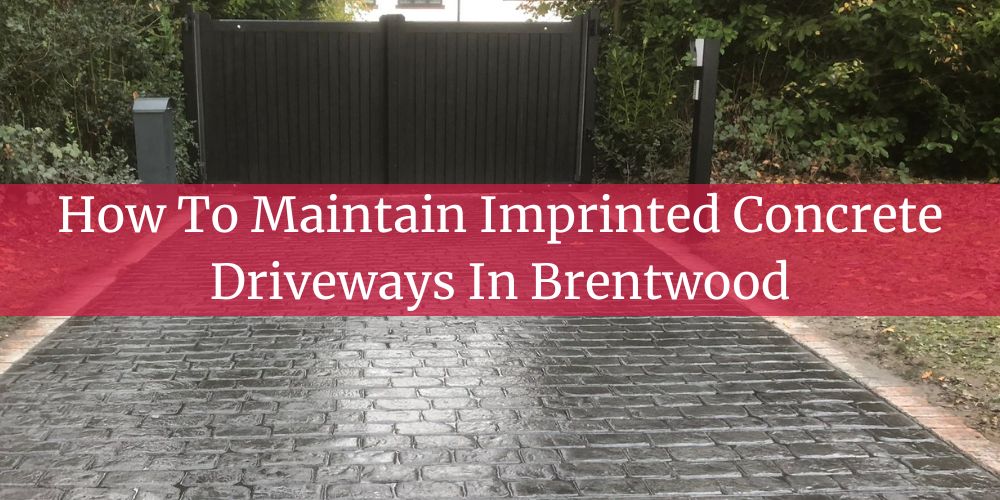
In Brentwood, Essex, imprinted concrete driveways should be resealed every 3 to 5 years to maintain their aesthetic appeal and structural integrity. The variable climate of Brentwood, with its mix of rain and sun, can cause wear on the sealant, leading to fading and potential surface damage if not treated regularly. Resealing helps the driveway resist stains, weather erosion, and maintains its vivid colour, ensuring the longevity of the surface amid Essex's changing weather conditions.
For homeowners and property managers in Brentwood, Essex, understanding proper maintenance techniques for imprinted concrete driveways can prevent costly repairs and prolong the driveway's lifespan. In this blog, we’ll explore the importance of regular resealing, the signs indicating it's time for resealing, and the benefits of proper driveway upkeep in the Essex environment.
Why Is It Important to Reseal Your Imprinted Concrete Driveway?
Resealing your imprinted concrete driveway is crucial to maintaining its durability and appearance. Essentially, resealing acts as a barrier against moisture intrusion, potential stains, and fading caused by UV exposure. By regularly resealing, you extend the life of the driveway, maintain its aesthetic appeal, and protect your investment. Here are the key reasons that highlight the importance of resealing your imprinted concrete driveway:
- Protection Against Environmental Damage: Shields against water, UV rays, and de-icing chemicals.
- Enhanced Aesthetic Appeal: Maintains vibrant colour and finish for longer periods.
- Prevention of Stains: Reduces absorption of oils, chemicals, and dirt.
- Increased Longevity: Extends the life of the concrete surface by preventing wear and erosion.
- Cost-Effectiveness: Resealing is significantly cheaper than major repairs or replacements.
1. Protection Against Environmental Damage: Shields against water, UV rays, and de-icing chemicals.
Protection against environmental damage ensures that the concrete withstands harsh weather conditions. Resealing forms a protective layer over the surface, which prevents moisture penetration and shields against harmful UV rays and abrasive de-icing chemicals. Without resealing, water can seep into the concrete, leading to cracks and eventual deterioration. UV rays can significantly fade the surface, diminishing the attractive look of the imprinted patterns. Additionally, de-icing chemicals can cause erosion and surface damage during winter months.
2. Enhanced Aesthetic Appeal: Maintains vibrant colour and finish for longer periods.
Enhanced aesthetic appeal is achieved by keeping your driveway looking new and well-maintained. Resealing refreshes the appearance of the concrete, preserving the vibrant colours and detailed designs. Weather, traffic, and time can all erode the appearance of a driveway, leading to a dull and worn-out look. Resealing ensures that the driveway retains its original design, enhancing curb appeal and complementing your property's aesthetic.
3. Prevention of Stains: Reduces absorption of oils, chemicals, and dirt.
Prevention of stains is important to keep the driveway looking clean and attractive. Resealing reduces the surface's porosity, making it less prone to absorbing oil, chemicals, and dirt. This stain prevention is especially crucial in driveways where cars or equipment may leak fluids. By providing a barrier, the resealing process helps in easy cleaning of any spills, maintaining a neat appearance.
4. Increased Longevity: Extends the life of the concrete surface by preventing wear and erosion.
Increased longevity means the driveway will last much longer before any need for repairs. Resealing adds an extra layer of durability to the concrete, preventing wear and erosion. This increased lifespan saves on long-term repair and replacement costs. A well-sealed driveway withstands the rigors of daily use and harsh climate conditions more effectively.
5. Cost-Effectiveness: Resealing is significantly cheaper than major repairs or replacements.
Cost-effectiveness implies that the small expense of resealing outweighs the potential costs of neglect. Resealing offers an economical option to preserve the integrity and appearance of your driveway. Neglecting resealing can lead to damage that requires costly repair or replacement. By investing periodically in resealing, property owners avoid larger expenditures over time, thus optimizing maintenance budgets.
Have a question about an upcoming project?
What Are the Signs That Your Driveway Needs Resealing?
If your driveway displays cracks, fading, or pooling water, it might need resealing. Regular exposure to weather elements can gradually wear down a driveway's surface, causing visible damage. Addressing these issues promptly through resealing helps preserve your driveway's integrity and extends its lifespan. Here are key signs indicating that your driveway requires resealing:
- Cracks: Even small fissures can expand if not sealed.
- Faded Colour: Indicates the protective sealant layer has worn away.
- Surface Erosion: Where weather elements visibly wear down driveway material.
- Pooling Water: Suggests that the driveway has lost its waterproofing abilities.
- Loss of Texture: Makes the driveway appear smooth and less slip-resistant.
1. Cracks: Even small fissures can expand if not sealed.
Cracks are gaps or splits on the driveway surface. They can start small but will widen over time if left unattended. Not sealing these cracks allows water to infiltrate, potentially leading to further structural damage. Sealing helps keep water out and preserves the driveway's structure, preventing costly repairs down the road.
2. Faded Colour: Indicates the protective sealant layer has worn away.
Faded colour demonstrates a loss of vibrancy and depth in the driveway's appearance. This fading typically occurs as the top protective layer wears down over time. When colour loss is noted, it usually means the sealant has deteriorated. Resealing revitalizes the driveway's appearance and restores the protective barrier against environmental elements.
3. Surface Erosion: Where weather elements visibly wear down driveway material.
Surface erosion refers to the gradual wearing away of the driveway's top layer. Weather exposure, such as rain and UV light, can significantly impact a driveway's surface. When erosion is apparent, it compromises the driveway's durability. Resealing fortifies the surface, enhancing its resistance to further erosion and extending its functional life.
4. Pooling Water: Suggests that the driveway has lost its waterproofing abilities.
Pooling water is the accumulation of water on the driveway surface. This condition indicates a drainage problem, likely because the sealant is no longer effective. Without adequate waterproofing, water seeps into cracks, freezing and thawing, which exacerbates damage. Applying a fresh sealant layer restores water repellency, enhancing drainage and preventing damage.
5. Loss of Texture: Makes the driveway appear smooth and less slip-resistant.
Loss of texture is evident when a driveway becomes overly smooth. This reduction in texture can signify the wear of its protective, textured layer. A smooth driveway is more susceptible to slips, especially when wet. Resealing can rejuvenate the texture, reinstating slip resistance and the driveway's aesthetic appeal.
How Can You Properly Reseal Your Driveway to Ensure Longevity?
The key to properly resealing your driveway is to thoroughly clean and repair any damage before applying a high-quality sealant. Ensuring the driveway is free of debris and cracks will allow the sealant to adhere properly, protecting it from weather and wear over time. Regular maintenance and timely resealing will significantly extend the lifespan of your driveway. Follow these steps to ensure your driveway is effectively resealed to achieve long-lasting results:
- Thoroughly Clean the Driveway Surface Before Resealing
- Repair All Cracks and Damages on the Driveway
- Choose a High-Quality Sealant Appropriate for Your Driveway Material
- Apply the Sealant even observing Weather Warnings
- Allow the Sealant to Cure Properly before Using the Driveway
1. Thoroughly Clean the Driveway Surface Before Resealing
Cleaning the surface of the driveway involves removing dirt, debris, and any oil stains. This step ensures that the sealant can adhere properly and uniformly to the driveway surface. A clean surface prevents imperfections and promotes an even seal, which is essential for protection. Consider using a pressure washer for more effective cleaning, especially in cases where the surface is heavily soiled. Additionally, address any stubborn stains with appropriate cleaning solutions to ensure the sealant bonds well.
2. Repair All Cracks and Damages on the Driveway
Addressing cracks and damages prior to sealing is crucial for structural integrity. Filling in cracks with a crack filler or repair material ensures the existing damage does not worsen over time. A smooth surface prevents water infiltration, which can cause further cracking and damage. Take the time to thoroughly inspect the driveway, identifying any areas in need of repair. Use materials that are compatible with your driveway type, and allow adequate time for these repairs to cure before sealing.
3. Choose a High-Quality Sealant Appropriate for Your Driveway Material
Selecting the right sealant ensures compatibility and durability. Different driveways—like asphalt, concrete, or pavers—require specific sealants designed to handle their unique properties. Using the right sealant improves overall performance and longevity. Consult with a professional or a local hardware store expert to determine the best sealant for your driveway material. Investing in a high-quality sealant pays off in long-term protection, reducing the need for frequent resealing.
4. Apply the Sealant evenly observing Weather Warnings
Even application of sealant ensures consistent coverage across your driveway. Weather conditions like rain can impact the effectiveness of the sealing process, so choose a dry day. Following manufacturer instructions for application will maximize sealant performance. Ensure tools used for application are clean and appropriate for the sealant type. Taking note of local weather forecasts can help you pick the best time for application, ensuring no adverse weather conditions affect curing.
5. Allow the Sealant to Cure Properly before Using the Driveway
Curing time is essential for the sealant to achieve maximum strength and durability. Premature use of the driveway can disrupt the sealant layer, reducing its protective qualities. Following recommended curing times preserves the integrity of the seal and ensures thorough bonding. Mark off the driveway to prevent vehicles or foot traffic from disrupting the sealant. Patience in allowing full curing translates to a longer-lasting, better-protected driveway surface.
Ensuring the longevity and aesthetic appeal of your Brentwood, Essex imprinted concrete driveway requires regular maintenance, including resealing every 3 to 5 years. By adhering to this upkeep schedule, you not only preserve the visual allure of your Driveways and Patios but also protect them from wear and environmental damage. Consistent resealing helps maintain the integrity of the concrete, keeping it looking fresh and extending its lifespan. This approach is invaluable for homeowners in Brentwood, Essex who wish to sustain the value and functionality of their Driveways and Patios over time. Proper maintenance is a wise investment in your property's curb appeal and functionality.
If you require more information about maintaining your imprinted concrete driveway or need assistance with resealing, please reach out to us through our contact form. The Driveways Brentwood team is ready to provide expert guidance and support tailored to your needs in Brentwood, Essex. We're here to help you keep your driveways and patios in prime condition for years to come.